How YouTube Pays Creators: A Complete Guide to Making Money on YouTube
Curious about how YouTube creators make money? This guide explains the YouTube Partner Program, ad revenue, RPM, CPM, and the different ways creators can build
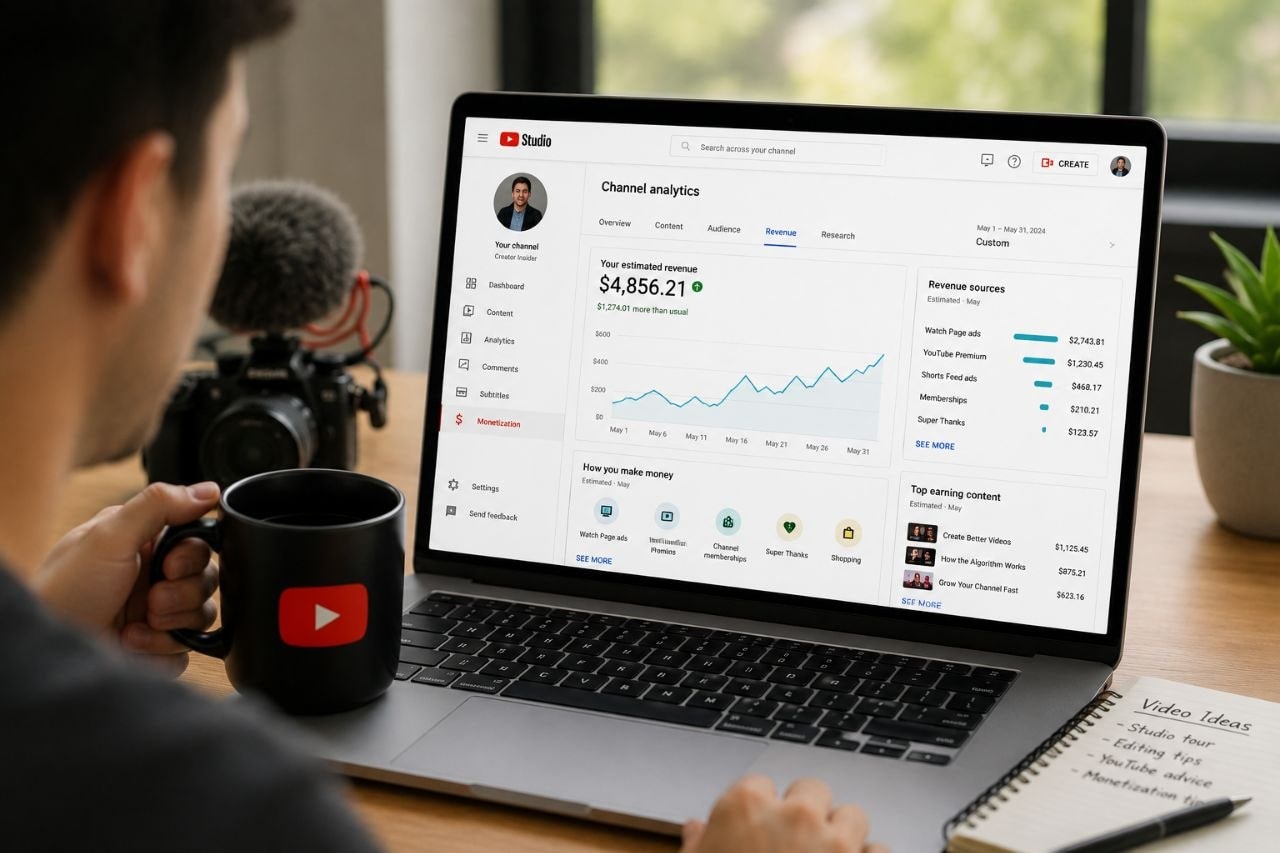
YouTube has become one of the largest creator platforms in the world, with millions of people uploading videos every day. While many creators begin as a hobby, thousands eventually turn their channels into full time businesses by earning revenue from multiple income streams.
After researching YouTube’s monetization policies, the YouTube Partner Program, advertising models, creator earnings, and additional revenue opportunities, I found that many people misunderstand how YouTube actually pays creators. Contrary to popular belief, creators don’t earn money simply because a video gets millions of views. Instead, earnings depend on several factors, including the type of content, audience location, advertiser demand, and viewer engagement.
Here’s a detailed breakdown of how YouTube pays creators and what it takes to build a sustainable income on the platform.
Why Do People Search This?
Many aspiring creators ask questions like:
- How does YouTube pay creators?
- How much does YouTube pay per 1,000 views?
- What is RPM and CPM?
- Can small YouTubers make money?
- How do I qualify for monetization?
The answers are more complex than a single number because YouTube’s payment system is based on advertising performance rather than views alone.
How YouTube Actually Pays Creators
The primary way creators earn money is through the YouTube Partner Program.
Once accepted into the program, eligible creators can earn money through:
- Advertisements shown before, during, or after videos
- YouTube Premium revenue sharing
- Channel memberships
- Super Chats and Super Thanks
- Shopping features (where available)
Advertising remains the largest income source for many creators, but successful channels often combine multiple revenue streams.
Step 1: Join the YouTube Partner Program
Before YouTube can pay you, your channel must meet the platform’s eligibility requirements and comply with its monetization policies.
Generally, creators need to:
- Follow YouTube’s Community Guidelines and monetization policies.
- Enable two step verification.
- Have no active Community Guidelines strikes.
- Meet one of YouTube’s current public eligibility paths, such as qualifying through subscriber and watch-time requirements or eligible Shorts views (requirements can change over time).
After meeting the requirements, creators can apply through YouTube Studio. Applications are reviewed before monetization is approved.
Step 2: Understand CPM vs. RPM
Two important terms determine creator earnings.
CPM (Cost Per Mille)
CPM represents the amount advertisers pay for 1,000 ad impressions.
This is not what creators receive.
Different industries have different CPMs.
For example:
- Finance
- Technology
- Business
- Insurance
often attract higher advertising rates than general entertainment because advertisers are willing to pay more to reach those audiences.
RPM (Revenue Per Mille)
RPM represents the amount creators actually earn for every 1,000 video views after YouTube’s revenue share and after accounting for eligible monetized views.
RPM is usually lower than CPM because not every viewer sees an ad, and YouTube keeps a portion of advertising revenue.
Step 3: Understand What Affects Earnings
Two creators with the same number of views can earn very different amounts.
Factors include:
Audience Location
Viewers in countries with higher advertising demand often generate more ad revenue than viewers in regions where advertisers spend less.
Content Niche
Topics such as:
- Personal finance
- Technology
- Software
- Business
- Investing
often receive higher advertising bids than categories like memes or general entertainment.
Watch Time
Longer videos that keep viewers engaged may qualify for additional ad placements, provided they meet YouTube’s policies and creators choose to enable them.
Higher audience retention also signals quality content.
Advertiser Demand
Advertising rates fluctuate throughout the year.
Many creators report stronger advertising demand during major shopping seasons, such as the final months of the year, though earnings vary widely by niche and audience.
Step 4: Earn Beyond Advertisements
Many successful YouTubers don’t rely solely on ads.
Additional income sources include:
YouTube Premium
Subscribers who watch your videos through YouTube Premium contribute to your earnings based on watch time.
Channel Memberships
Eligible creators can offer exclusive content and perks to paying members.
Super Chat and Super Thanks
During live streams and on eligible videos, viewers can purchase highlighted messages or send tips to support creators.
Brand Sponsorships
Companies often pay creators to feature or review products.
For larger creators, sponsorships may generate more revenue than YouTube ads.
Affiliate Marketing
Creators can recommend products using affiliate links.
When viewers purchase through those links, creators may earn a commission from the retailer or affiliate program.
Selling Digital Products or Merchandise
Many creators diversify their income by selling:
- Online courses
- E-books
- Templates
- Presets
- Merchandise
This reduces dependence on advertising revenue alone.
Common Mistakes New Creators Make
Based on my research, many beginners slow their growth by:
- Chasing views instead of providing value.
- Uploading inconsistently.
- Ignoring audience retention.
- Using misleading thumbnails or titles.
- Focusing only on subscriber count.
- Expecting immediate income.
Building a successful YouTube channel usually requires patience and consistent improvement.
Recommended Tools
These tools can help creators grow and better understand their performance:
YouTube Studio
Track revenue, audience retention, traffic sources, and monetization status.
Google Trends
Discover topics people are actively searching for and identify seasonal interest.
Canva
Design professional thumbnails, channel art, and graphics.
CapCut
Edit videos with transitions, captions, and effects suitable for YouTube.
ChatGPT
Generate video ideas, titles, scripts, outlines, and content strategies.
Frequently Asked Questions
Does YouTube pay for every view?
No. Earnings depend on monetized views, advertiser demand, audience location, content type, and other factors. Not every view generates advertising revenue.
Can Shorts make money?
Yes. Eligible creators can earn from ads shown alongside Shorts through the YouTube Partner Program, although the revenue model differs from long form videos.
Can a small channel make money?
Yes. Smaller channels can earn through YouTube ads (once eligible), affiliate marketing, sponsorships, digital products, memberships, or viewer support features. Many creators begin generating income before reaching very large subscriber counts by combining these revenue sources.
Final Thoughts
YouTube offers creators multiple ways to earn money, but success depends on much more than just getting views. Based on research, creators who consistently publish high quality content, build loyal audiences, understand how monetization works, and diversify their income sources are more ready for long term success.
Instead of focusing only on viral videos, think of your channel as a business. Improving viewer retention, choosing topics with lasting value, and exploring opportunities beyond advertising can help create sustainable income over time.
Share this article
More from AI
View all →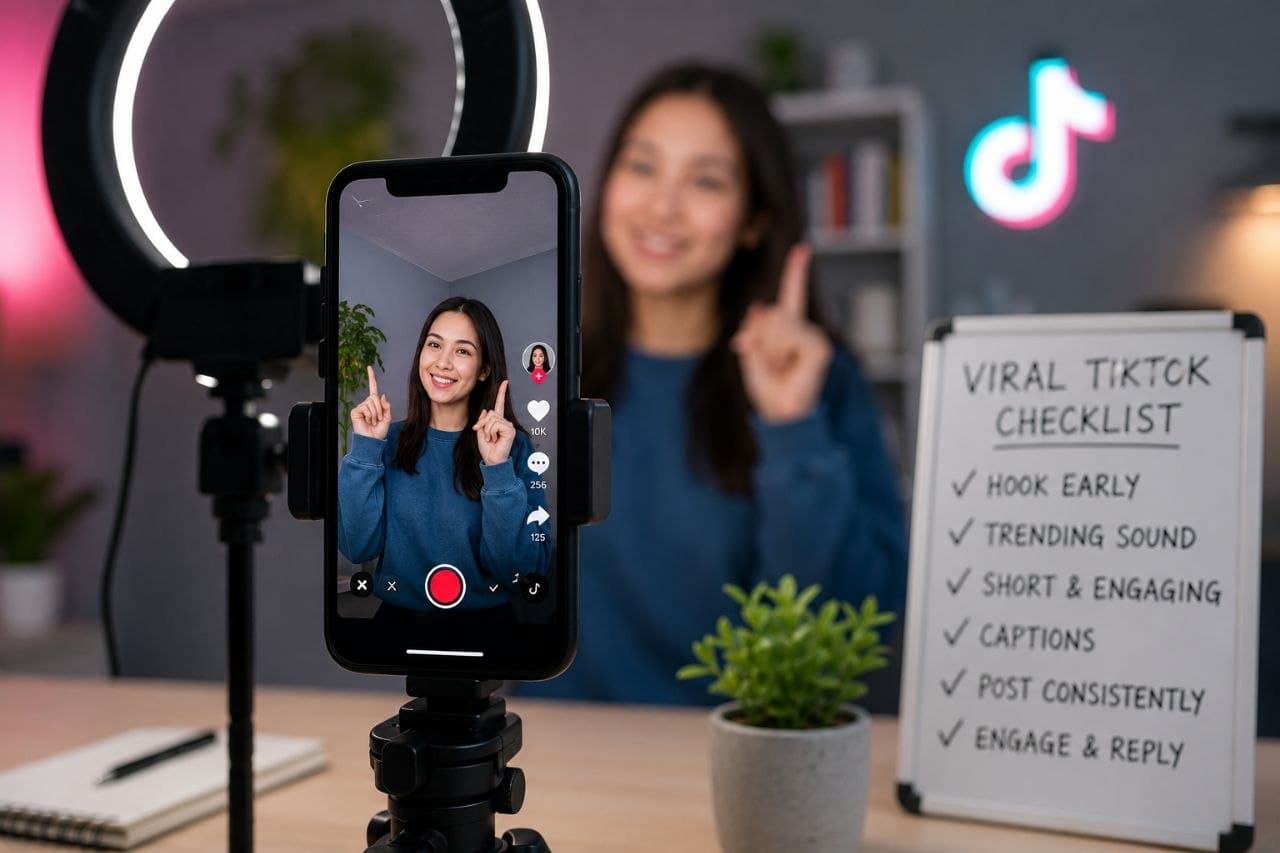
AI
Learn How to Make Viral TikTok Videos: What Actually Works in 2026
Want more views on TikTok? Learn how the TikTok algorithm works, what makes videos go viral, and the strategies successful creators use to grow their audience.
AI
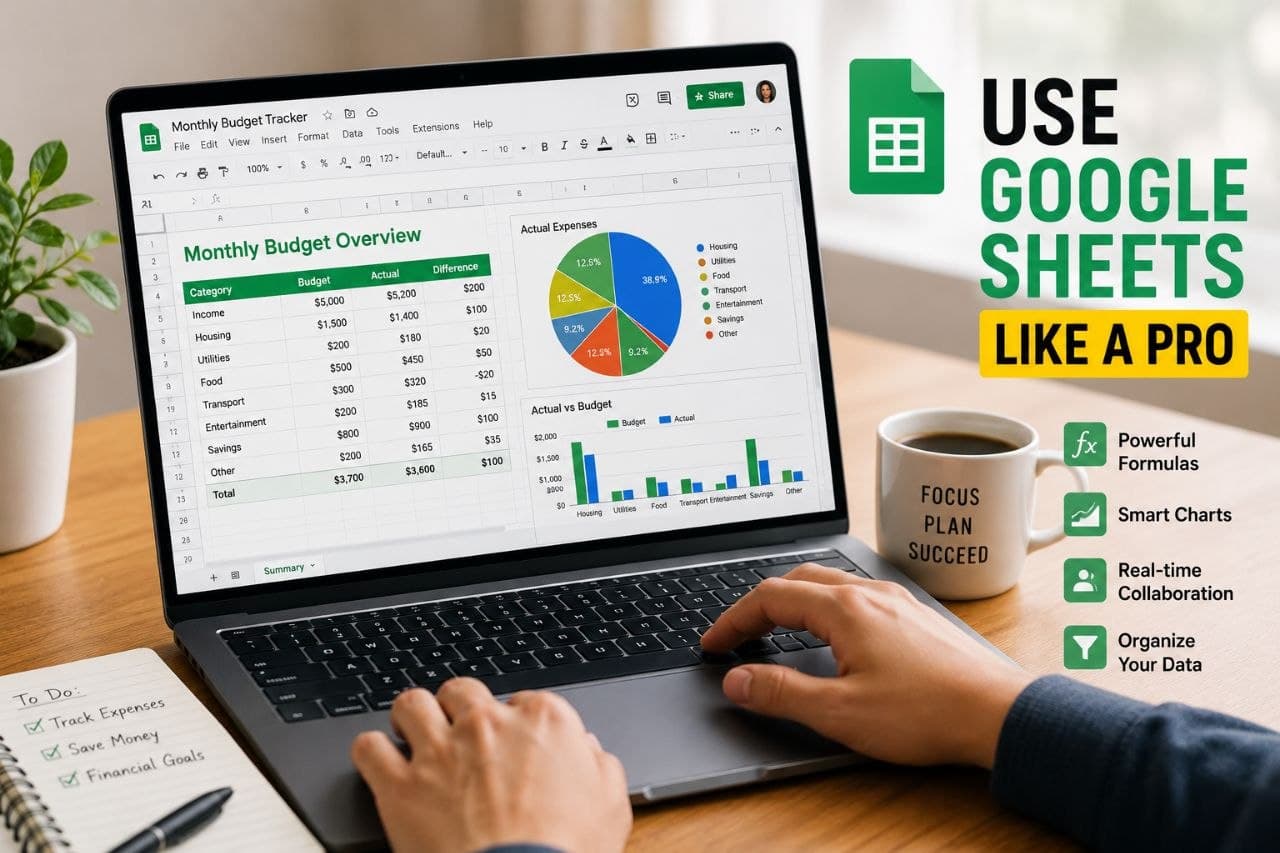
Use Google Sheets Like a Pro (2026 Beginner to Advanced Guide)
Want to master Google Sheets? Discover the best formulas, shortcuts, automation features, and productivity tips to organize data and work more efficiently.
AI
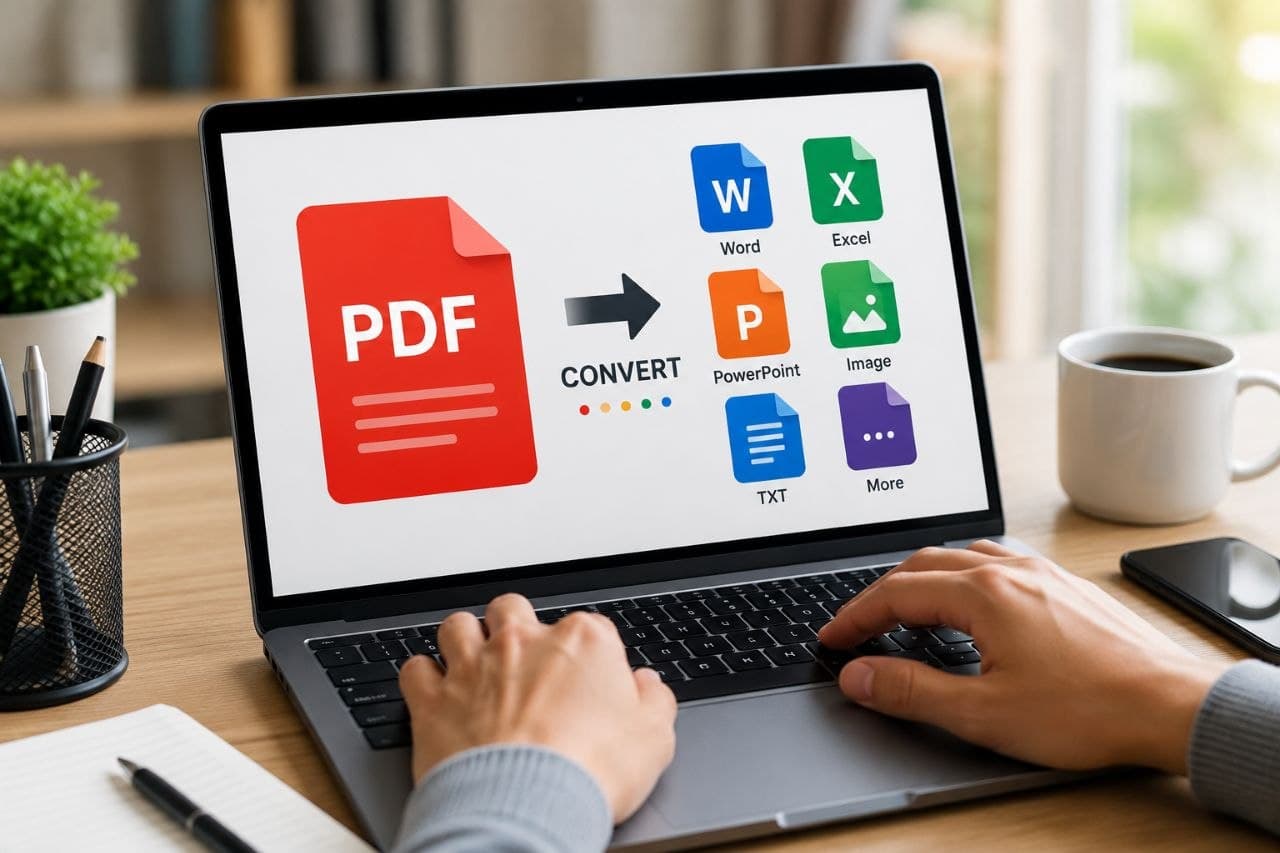
Learn How to Convert PDF Files Easily (2026 Step-by-Step Guide)
Need to convert a PDF? This complete guide explains how to convert PDF files into Word, images, and other formats or create PDFs from documents and photos using

AI
Best AI Image Generators (2026): The Top Tools Worth Using Right Now
Looking for the best AI image generator? Here’s comparison of the top AI image creation tools in 2026, including their strengths, weaknesses, and the best use c