See How to Store Food Properly: Guide to Keeping Food Fresh and Safe
Storing food correctly helps it stay fresh longer and reduces the risk of foodborne illness. Here’s a guide to refrigerating, freezing, and organizing your food
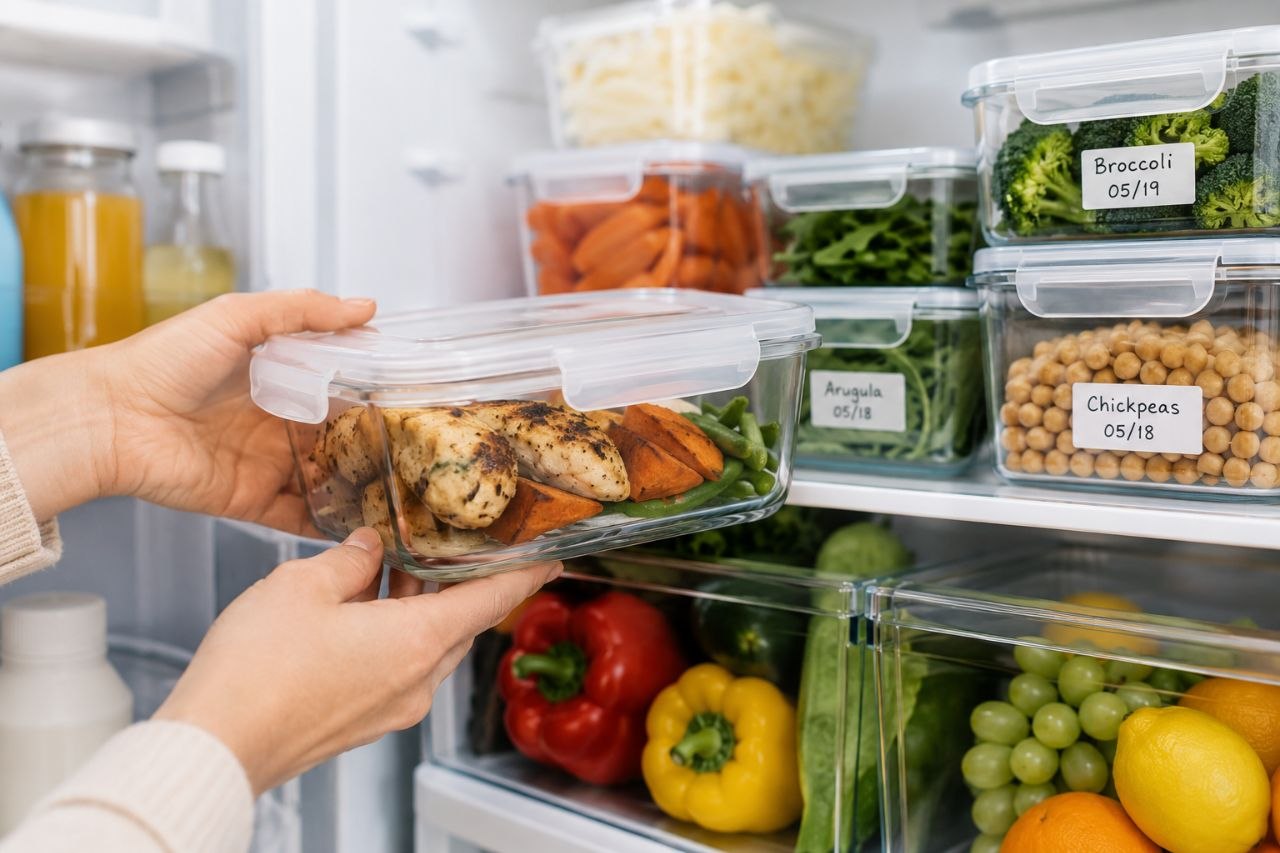
Storing food properly is one of the easiest ways to reduce waste, save money, and protect yourself and your family from foodborne illnesses. Yet, many people unknowingly store everyday foods in the wrong place, causing them to spoil faster or become unsafe to eat.
After researching food safety recommendations from health authorities and best practices used by food storage experts, I found that proper storage isn’t just about putting food in the refrigerator. Different foods require different temperatures, humidity levels, and storage methods to maintain freshness and nutritional value.
If you’ve ever wondered why fruits spoil quickly, why leftovers sometimes smell bad after only a day or two, or where certain foods should actually be stored, this guide will help you make smarter choices.
Some people ask questions like:
- How do I store food correctly?
- Which foods should be refrigerated?
- What foods should never go in the fridge?
- How long can leftovers stay in the refrigerator?
- How do I keep fruits and vegetables fresh longer?
Improper food storage is one of the leading causes of unnecessary food waste and can also increase the risk of harmful bacteria growing on food.
Simple Explanation
Food spoils because of bacteria, mold, yeast, moisture, oxygen, light, and temperature changes.
Proper storage slows these processes by creating the right environment for each type of food.
As a general rule:
- Cold temperatures slow bacterial growth.
- Freezing preserves food for longer periods.
- Dry, cool places are ideal for many pantry foods.
- Airtight containers help keep moisture and contaminants out.
Knowing where each food belongs is the key to making it last longer.
Step 1: Store Refrigerated Foods at the Right Temperature
Your refrigerator should be kept at 4°C (40°F) or below, while your freezer should be at -18°C (0°F) or below.
Use your refrigerator for:
- Milk
- Yogurt
- Cheese
- Eggs (depending on local food safety guidance)
- Cooked meals
- Leftovers
- Fresh meat
- Poultry
- Fish
Avoid overfilling your refrigerator, as cool air needs to circulate to maintain a safe temperature.
Example: Place raw meat on the lowest shelf in a sealed container to prevent juices from dripping onto ready-to-eat foods.
Screenshot suggestion: A labeled refrigerator showing the safest place for dairy, vegetables, leftovers, drinks, and raw meat.
Step 2: Know Which Foods Should Stay Out of the Fridge
Not everything belongs in the refrigerator.
Many foods last longer at room temperature.
These include:
- Potatoes
- Onions
- Garlic
- Whole pumpkins
- Bread (for short-term storage)
- Honey
- Uncut tropical fruits like bananas and pineapples
For example, storing potatoes in the refrigerator can convert some of their starch into sugar, affecting their taste and texture.
Step 3: Store Fruits and Vegetables Correctly
Different fruits and vegetables require different storage conditions.
Refrigerate:
- Carrots
- Broccoli
- Spinach
- Lettuce
- Grapes
- Berries
Store at Room Temperature:
- Bananas
- Tomatoes
- Avocados (until ripe)
- Mangoes
- Apples (short term)
One important tip is to keep ethylene producing fruits, such as apples, bananas, and avocados, away from vegetables and sensitive fruits because ethylene gas can speed up ripening and spoilage.
Example: Keep bananas separate from leafy greens to help the greens stay fresh longer.
Step 4: Store Leftovers Safely
Cooked food should not sit at room temperature for more than two hours (or one hour if the surrounding temperature is above 32°C (90°F)).
To store leftovers safely:
- Allow hot food to cool slightly.
- Place it in shallow airtight containers.
- Refrigerate promptly.
- Label containers with the storage date if possible.
Most leftovers are best eaten within 3–4 days when refrigerated properly.
Step 5: Freeze Food the Right Way
Freezing extends the shelf life of many foods.
Foods that freeze well include:
- Meat
- Fish
- Chicken
- Bread
- Vegetables (many benefit from blanching first)
- Soups
- Cooked rice
- Beans
Use freezer-safe containers or bags and remove as much air as possible to reduce freezer burn.
Always thaw frozen food safely in the refrigerator, cold water, or the microwave—not on the kitchen counter.
Step 6: Use Airtight Containers
Good storage containers help protect food from moisture, odors, and contamination.
Clear containers also make it easier to see what you have, reducing forgotten leftovers.
Glass and BPA-free plastic containers are both popular choices for home kitchens.
Step 7: Organize Your Pantry
A cool, dry pantry is ideal for many shelf-stable foods.
Store items such as:
- Rice
- Pasta
- Flour
- Cereal
- Canned foods
- Cooking oil
- Dried beans
- Nuts (for shorter-term storage)
Rotate older products to the front and place newer purchases behind them. This “first in, first out” approach helps reduce waste.
Common Food Storage Mistakes
Avoid these common errors:
- Leaving cooked food out too long.
- Storing raw meat above ready to eat foods.
- Putting hot food directly into crowded storage without allowing slight cooling.
- Keeping fruits and vegetables together without considering ethylene gas.
- Forgetting expiration or “use by” dates.
- Overpacking the refrigerator so cold air can’t circulate.
Small changes in storage habits can make a big difference.
Recommended Tools
Keeping food fresh is easier with the right equipment.
Helpful tools include:
- Airtight food storage containers.
- Freezer-safe storage bags.
- Refrigerator thermometers.
- Glass meal-prep containers.
- Food labels or masking tape for dating leftovers.
- Vacuum sealers for long-term freezer storage.
These tools can improve food quality and reduce unnecessary waste.
Frequently Asked Questions
How long can leftovers stay in the refrigerator?
In general, most cooked leftovers are best consumed within 3–4 days when refrigerated promptly and stored in airtight containers.
Should eggs be refrigerated?
This depends on the country. In places where eggs are washed and refrigerated before sale (such as the United States), refrigeration is recommended. In many other countries, eggs are commonly stored at room temperature because their natural protective coating remains intact. Follow local food safety guidance.
Can I refreeze thawed food?
If food has been thawed safely in the refrigerator and hasn’t been left at room temperature for extended periods, it can often be refrozen, although quality may decrease. Food thawed in the microwave should generally be cooked before refreezing.
Final Thoughts
Proper food storage is one of the simplest ways to keep meals fresh, reduce waste, and protect your health. Based on research, understanding where different foods belong, maintaining safe refrigerator and freezer temperatures, using airtight containers, and storing leftovers correctly can significantly extend the life of many everyday foods.
Share this article
More from Personal Growth
View all →
Personal Growth
High Income Skills Worth Learning in 2026
Looking to boost your career or earn money? Explore the most valuable high income skills worth learning in 2026 and find out why employers and businesses are in

Personal Growth
How to Find Legit Remote Jobs Without Falling for Scams (2026 Guide)
Looking for a remote job? This guide explains how to identify legitimate work from home opportunities, avoid common scams, and search smarter using trusted plat
Personal Growth
The Foods That Can Make a Difference During Pregnancy And Those That Can Increase Risks
Eating well during pregnancy is about more than satisfying cravings. Here’s a research-backed guide to the foods that help support a healthy pregnancy and the f

Personal Growth
What Recruiters Notice First: 10 Things That Can Make or Break Your Job Application
Want to impress recruiters? Here’s what hiring managers notice first on your resume and how you can improve your chances of landing an interview.