The Foods That Can Make a Difference During Pregnancy And Those That Can Increase Risks
Eating well during pregnancy is about more than satisfying cravings. Here’s a research-backed guide to the foods that help support a healthy pregnancy and the f
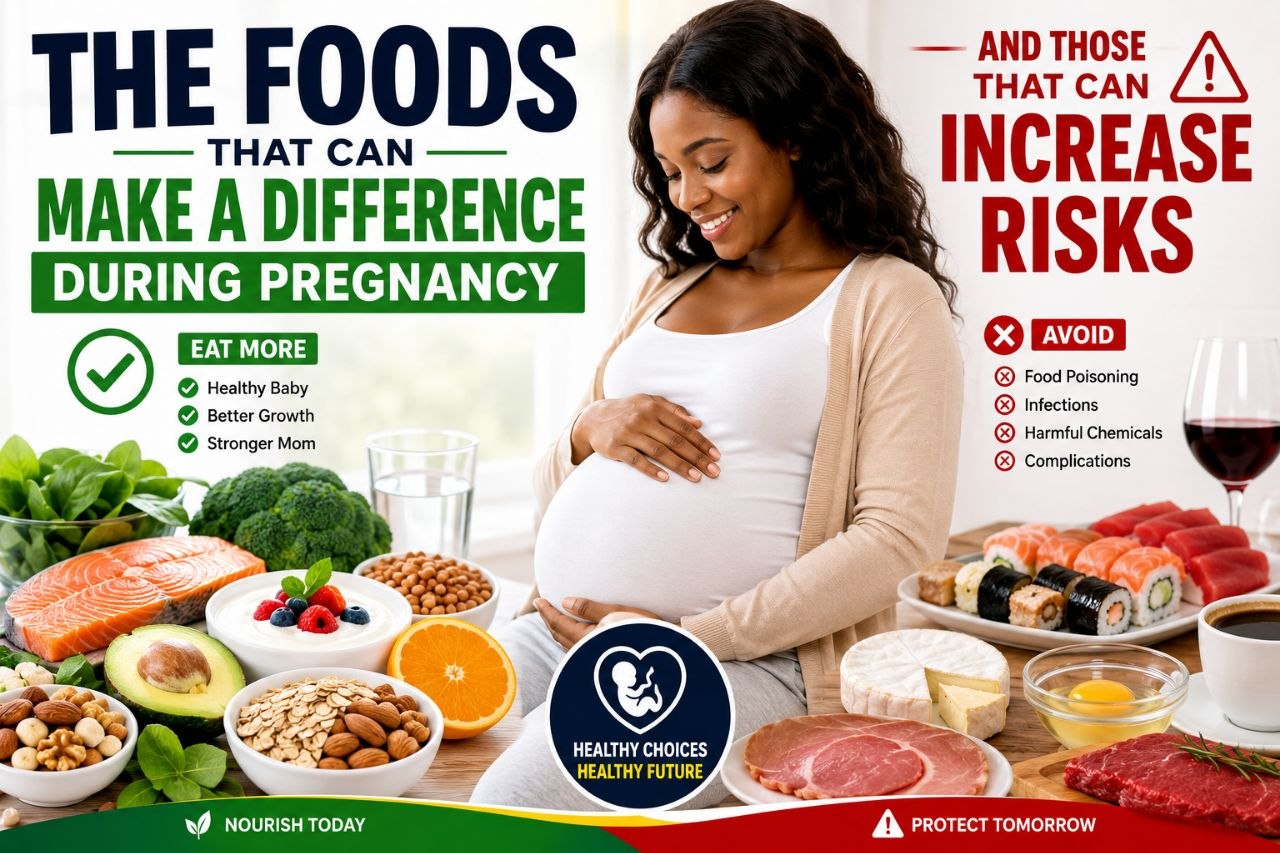
Pregnancy is one of the most important times to pay attention to nutrition. Every meal contributes not only to the mother’s health but also to the baby’s growth and development. While no single food guarantees a healthy pregnancy, choosing nutrient-rich foods and avoiding those known to carry risks can significantly improve the chances of a healthy outcome.
After researching recommendations from leading health organizations and reviewing current nutritional guidance, it’s clear that a balanced diet rich in essential vitamins, minerals, healthy fats, and protein plays a major role in supporting both mother and baby. At the same time, certain foods can increase the risk of foodborne illnesses or expose the developing baby to harmful substances.
Here’s a closer look at the foods that can make a positive difference during pregnancy and those that are best avoided.
Why Nutrition Matters During Pregnancy
During pregnancy, the body works harder than ever. Nutritional needs increase because the baby depends entirely on the mother for oxygen, vitamins, minerals, and other nutrients essential for healthy development.
A well-balanced diet can help:
- Support healthy fetal growth
- Reduce the risk of birth complications
- Lower the chances of anemia
- Strengthen the mother’s immune system
- Promote healthy brain development
- Help maintain a healthy pregnancy weight
Good nutrition also provides the energy needed to cope with the physical demands of pregnancy.
Foods That Can Make a Difference
1. Leafy Green Vegetables
Spinach, kale, broccoli, and other leafy greens are among the healthiest foods during pregnancy.
They’re rich in:
- Folate
- Iron
- Calcium
- Vitamin C
- Vitamin K
- Fiber
Folate is especially important during the first trimester because it helps reduce the risk of neural tube defects that affect the baby’s brain and spinal cord.
2. Eggs
Eggs provide high-quality protein along with choline, a nutrient that supports the baby’s brain and nervous system development.
They’re also excellent sources of:
- Vitamin D
- Vitamin B12
- Selenium
Always ensure eggs are fully cooked before eating.
3. Salmon and Other Low-Mercury Fish
Fish like salmon, sardines, trout, and anchovies provide omega-3 fatty acids, particularly DHA, which supports brain and eye development.
These fish also contain:
- Protein
- Vitamin D
- Iodine
Health experts generally recommend eating two to three servings of low-mercury fish each week.
4. Dairy Products
Milk, yogurt, and cheese provide calcium, protein, phosphorus, and vitamin D, all of which help build the baby’s bones and teeth.
Greek yogurt is especially beneficial because it contains more protein than regular yogurt.
Choose pasteurized dairy products to reduce the risk of bacterial infections.
5. Lean Meat and Poultry
Chicken, turkey, and lean beef supply:
- Protein
- Iron
- Zinc
- Vitamin B12
Iron is particularly important because pregnancy increases blood volume, making iron deficiency more common.
Always cook meat thoroughly.
6. Beans, Lentils, and Chickpeas
These plant-based foods are excellent sources of:
- Protein
- Fiber
- Iron
- Magnesium
- Folate
They’re also filling and help maintain stable blood sugar levels.
7. Whole Grains
Brown rice, oats, quinoa, and whole wheat bread provide complex carbohydrates that supply steady energy throughout the day.
Whole grains also contain:
- Fiber
- B vitamins
- Magnesium
They help reduce constipation, a common pregnancy complaint.
8. Fruits
Fresh fruits provide vitamins, antioxidants, and natural fiber.
Excellent choices include:
- Oranges
- Apples
- Bananas
- Mangoes
- Berries
- Avocados
Vitamin C-rich fruits also help the body absorb iron more efficiently.
9. Nuts and Seeds
Almonds, walnuts, chia seeds, pumpkin seeds, and flaxseeds contain healthy fats, magnesium, protein, and omega-3 fatty acids.
They’re convenient, nutritious snacks that support both maternal and fetal health.
10. Plenty of Water
Although not technically a food, hydration is essential during pregnancy.
Drinking enough water helps:
- Maintain amniotic fluid
- Prevent dehydration
- Support digestion
- Reduce constipation
- Improve circulation
Foods That Can Increase Risks
1. Raw or Undercooked Meat
Undercooked meat may contain harmful bacteria or parasites that can cause serious infections during pregnancy.
Always cook meat to safe internal temperatures.
2. Raw Fish and Sushi Made with Raw Seafood
Raw seafood can contain bacteria and parasites that increase the risk of foodborne illness.
Cooked seafood is generally considered the safer option.
3. High Mercury Fish
Certain fish accumulate higher levels of mercury, which can affect a baby’s developing nervous system.
Fish to limit or avoid include:
- Shark
- Swordfish
- King mackerel
- Tilefish
- Marlin
- Bigeye tuna
4. Unpasteurized Milk and Soft Cheeses
Products made with unpasteurized milk may contain Listeria, a bacterium that can cause severe illness during pregnancy.
Choose pasteurized versions whenever possible.
5. Raw Eggs
Raw or partially cooked eggs can carry Salmonella bacteria.
Avoid foods that may contain raw eggs, including some homemade mayonnaise, cookie dough, and certain desserts.
6. Alcohol
No amount of alcohol has been proven safe during pregnancy.
Alcohol exposure can interfere with fetal development and increase the risk of serious birth complications.
7. Excessive Caffeine
Moderate caffeine intake is generally considered acceptable, but consuming too much may increase certain pregnancy risks.
Many health experts recommend limiting caffeine to less than 200 milligrams per day, roughly equivalent to one 12-ounce cup of coffee, though caffeine content varies by beverage.
8. Unwashed Fruits and Vegetables
Fresh produce should always be washed thoroughly before eating to reduce exposure to harmful bacteria, pesticides, and parasites.
9. Processed Junk Foods
Foods high in added sugar, sodium, and unhealthy fats offer little nutritional value and can contribute to excessive weight gain.
Examples include:
- Sugary drinks
- Candy
- Chips
- Highly processed snacks
- Fast food eaten frequently
Enjoying these occasionally is fine, but they shouldn’t replace nutrient-rich meals.
Healthy Eating Tips During Pregnancy
In addition to choosing the right foods, these habits can help support a healthy pregnancy:
- Eat a variety of foods from different food groups.
- Include protein with every meal.
- Eat plenty of colorful fruits and vegetables.
- Stay hydrated throughout the day.
- Follow your healthcare provider’s advice regarding prenatal vitamins, especially folic acid, iron, iodine, and vitamin D.
- Practice safe food handling by washing produce, cooking foods thoroughly, and storing leftovers properly.
Final Thoughts
Pregnancy is a time when everyday food choices can have a lasting impact on both mother and baby. Based on current medical guidance, a diet centered on vegetables, fruits, whole grains, lean proteins, dairy, legumes, nuts, seeds, and low-mercury fish provides many of the nutrients needed for healthy fetal development and maternal well-being.
At the same time, avoiding foods associated with foodborne illness, high mercury levels, excessive caffeine, and alcohol can help reduce preventable risks. Every pregnancy is unique, so nutritional needs may vary depending on personal health, allergies, or medical conditions. Working with a healthcare provider can help ensure dietary choices are appropriate for individual circumstances.
Small, consistent decisions at mealtimes can make a meaningful difference throughout pregnancy and help support the healthiest possible start for a new life.
Share this article
More from Personal Growth
View all →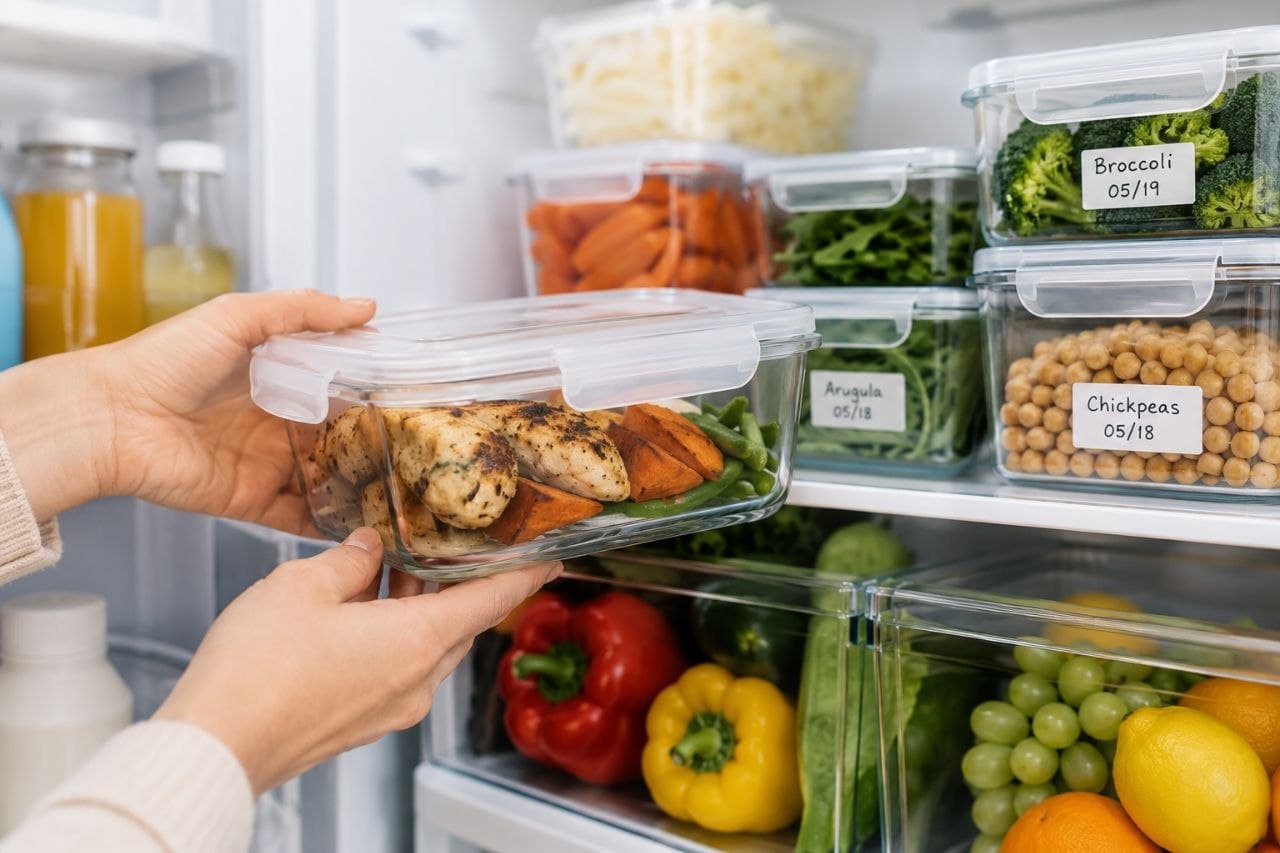
Personal Growth
See How to Store Food Properly: Guide to Keeping Food Fresh and Safe
Storing food correctly helps it stay fresh longer and reduces the risk of foodborne illness. Here’s a guide to refrigerating, freezing, and organizing your food

Personal Growth
High Income Skills Worth Learning in 2026
Looking to boost your career or earn money? Explore the most valuable high income skills worth learning in 2026 and find out why employers and businesses are in

Personal Growth
How to Find Legit Remote Jobs Without Falling for Scams (2026 Guide)
Looking for a remote job? This guide explains how to identify legitimate work from home opportunities, avoid common scams, and search smarter using trusted plat

Personal Growth
What Recruiters Notice First: 10 Things That Can Make or Break Your Job Application
Want to impress recruiters? Here’s what hiring managers notice first on your resume and how you can improve your chances of landing an interview.