What Recruiters Notice First: 10 Things That Can Make or Break Your Job Application
Want to impress recruiters? Here’s what hiring managers notice first on your resume and how you can improve your chances of landing an interview.
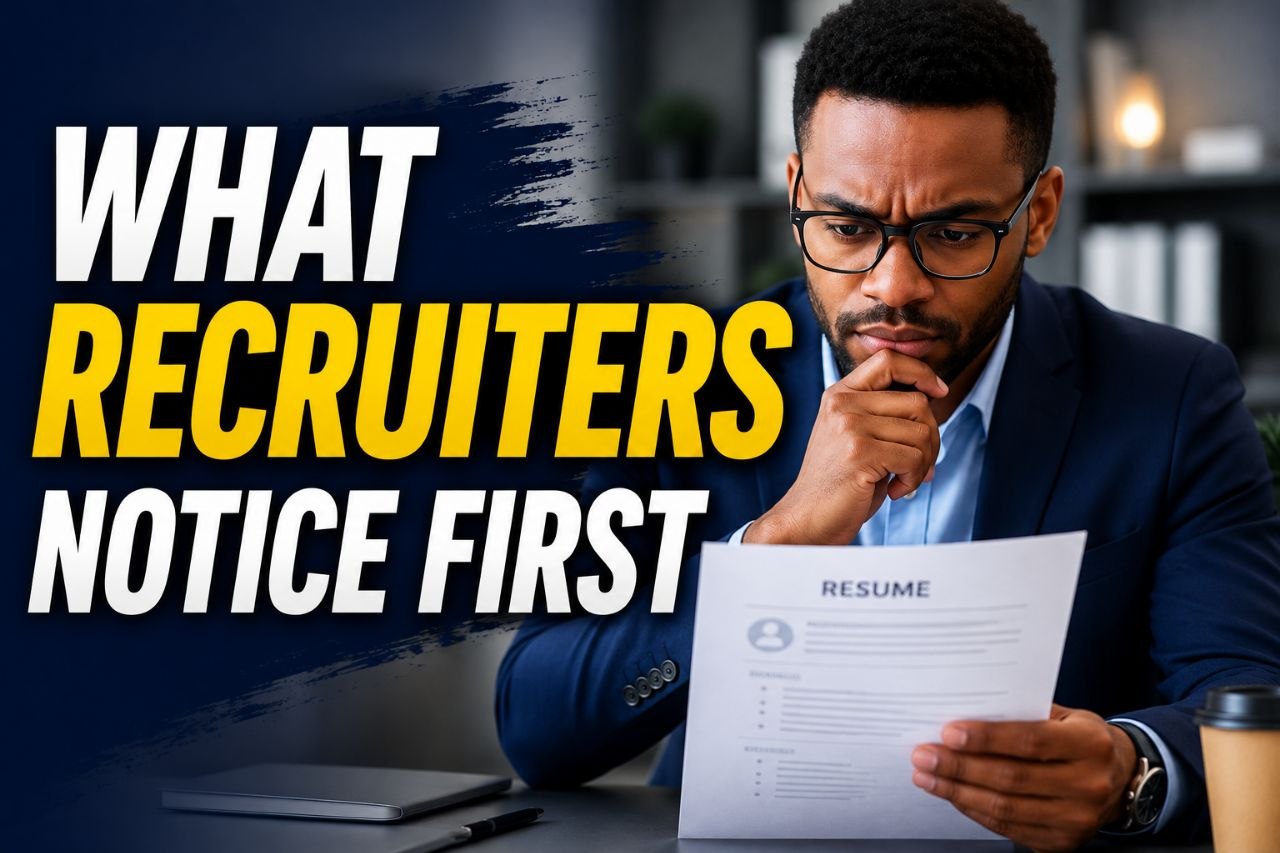
Landing a job isn’t just about having the right qualifications. In today’s competitive job market, recruiters often spend only a few seconds scanning each application before deciding whether to continue reading or move on to the next candidate.
After researching hiring trends, recruiter insights, and resume best practices, I found that the first impression you make can significantly influence your chances of getting an interview. While experience and technical skills matter, there are several things recruiters notice almost immediately—and getting them right can put you ahead of the competition.
Here’s what recruiters pay attention to first.
1. Your Resume Layout
Before reading a single word, recruiters notice how your resume looks.
A clean, organized layout makes your information easier to scan, while a cluttered or overly designed resume can be difficult to read.
What works:
- Clear headings
- Consistent formatting
- Readable fonts
- Plenty of white space
- One to two pages in length
Avoid:
- Bright colors
- Fancy graphics
- Tiny fonts
- Walls of text
2. Your Professional Summary
The professional summary is often the first section recruiters read.
This short introduction should quickly explain who you are, your experience, and what value you bring.
A strong summary immediately gives recruiters a reason to keep reading.
3. Relevant Skills
Recruiters usually scan the skills section within seconds.
They’re looking for skills that match the job description, especially technical abilities and industry-specific knowledge.
Examples include:
- Python
- JavaScript
- SQL
- Project Management
- Data Analysis
- Digital Marketing
- Graphic Design
Tailoring your skills for each application increases your chances of passing applicant tracking systems (ATS).
4. Work Experience
Your recent experience often carries the most weight.
Recruiters want to see:
- Relevant job titles
- Measurable achievements
- Career progression
- Responsibilities that match the role
Instead of simply listing duties, highlight results.
For example:
Instead of:
“Managed social media.”
Better:
“Increased social media engagement by 45% in six months.”
5. Education and Certifications
For entry-level roles, education is usually one of the first things recruiters check.
Professional certifications can also strengthen your application by showing you’re committed to learning new skills.
Popular certifications include:
- Google Career Certificates
- AWS Certifications
- Microsoft Certifications
- Cisco Certifications
- CompTIA Certifications
6. Spelling and Grammar
Simple mistakes can leave a poor first impression.
Recruiters often associate spelling or grammar errors with a lack of attention to detail.
Before submitting your resume, review it carefully and consider using grammar-checking tools to catch mistakes.
7. Keywords That Match the Job
Many companies use Applicant Tracking Systems (ATS) to filter resumes before a recruiter even sees them.
If your resume doesn’t include important keywords from the job posting, it may never reach a human reviewer.
That’s why it’s important to customize your resume for every application rather than sending the same version everywhere.
8. LinkedIn Profile
Many recruiters check LinkedIn after reviewing a resume.
A complete profile with a professional photo, updated experience, certifications, and recommendations can reinforce your credibility.
Keeping your LinkedIn profile consistent with your resume also helps build trust.
9. Career Progression
Recruiters look for evidence that you’re growing professionally.
That doesn’t necessarily mean frequent promotions, but they do want to see increasing responsibilities, new skills, or meaningful accomplishments over time.
Even freelance work, internships, volunteer experience, and personal projects can demonstrate growth.
10. Attention to Detail
Small details often influence first impressions more than candidates realize.
Recruiters notice things like:
- Consistent formatting
- Correct contact information
- Working email address
- Professional file name
- Accurate dates
These details show professionalism and organization.
Common Mistakes That Turn Recruiters Away
Some of the biggest resume mistakes include:
- Sending the same resume to every employer
- Including outdated information
- Using an unprofessional email address
- Listing responsibilities instead of achievements
- Making spelling or grammar mistakes
- Writing long paragraphs instead of concise bullet points
- Ignoring ATS-friendly formatting
Avoiding these mistakes can significantly improve your chances of getting shortlisted.
Final Thoughts
Recruiters don’t need hours to form an opinion about a candidate. In many cases, the first few seconds are enough to determine whether they’ll continue reading or move on.
Based on research, the strongest first impressions come from resumes that are clean, well-organized, tailored to the role, and focused on measurable achievements rather than generic responsibilities. A professional LinkedIn profile, relevant skills, and attention to detail further strengthen your application.
While no resume guarantees an interview, understanding what recruiters notice first allows you to present your experience more effectively and improve your chances of standing out in a competitive job market.
Share this article
More from Personal Growth
View all →
Personal Growth
See How to Store Food Properly: Guide to Keeping Food Fresh and Safe
Storing food correctly helps it stay fresh longer and reduces the risk of foodborne illness. Here’s a guide to refrigerating, freezing, and organizing your food

Personal Growth
High Income Skills Worth Learning in 2026
Looking to boost your career or earn money? Explore the most valuable high income skills worth learning in 2026 and find out why employers and businesses are in
Personal Growth
How to Find Legit Remote Jobs Without Falling for Scams (2026 Guide)
Looking for a remote job? This guide explains how to identify legitimate work from home opportunities, avoid common scams, and search smarter using trusted plat

Personal Growth
The Foods That Can Make a Difference During Pregnancy And Those That Can Increase Risks
Eating well during pregnancy is about more than satisfying cravings. Here’s a research-backed guide to the foods that help support a healthy pregnancy and the f